Performance Marketing vs Brand Marketing
What Growing Businesses Should Prioritise
Growing businesses often feel stuck between two competing priorities: driving immediate revenue and building long-term brand value. On one side is performance marketing, focused on clicks, leads, and conversions. On the other is brand marketing, centred on awareness, trust, and emotional connection.
The debate isn’t new, but it’s more relevant than ever. With tighter budgets, rising ad costs, and shorter customer attention spans, businesses are asking a critical question: Where should we invest first?
At GrowthValue, we believe the real answer isn’t choosing one over the other, it’s knowing when to prioritise each and how to align them for sustainable growth.
Understanding Performance Marketing: Fast Feedback, Measurable Results
Performance marketing is built around measurable outcomes. Every dollar spent is tracked against a specific action, whether that’s a click, a lead, a sale, or an app install. Channels like Google Ads, Meta Ads, paid search, paid social, and affiliate marketing fall squarely into this category.
For growing businesses, performance marketing offers several advantages:
- Immediate visibility and traffic
- Clear ROI tracking and optimisation
- Fast testing of messaging, audiences, and offers
- Predictable lead and revenue generation
When done well, performance marketing provides momentum. It tells you what resonates with your audience and what doesn’t. But there’s a catch.
As competition increases, cost per click rises, and audiences become more selective. Without a strong brand behind the ads, performance marketing can start to feel like pouring money into a leaky bucket.
Understanding Brand Marketing: Trust, Recall, and Long-Term Growth
Brand marketing plays a different game. It focuses less on immediate conversions and more on how people perceive your business over time. It’s about building credibility, emotional connection, and mental availability so that when customers are ready to buy, your brand is the first one they think of.
Brand marketing includes:
- Brand positioning and messaging
- Visual identity and consistency
- Content marketing and storytelling
- Social presence and community building
- PR, partnerships, and thought leadership
Strong brands convert better, retain customers longer, and reduce reliance on paid ads. Trust lowers friction. Familiarity shortens the sales cycle. Brand equity compounds over time.
The challenge? Brand marketing strategy is harder to measure in the short term. The impact isn’t always immediate, which can make it feel risky for businesses chasing quick wins.
Performance vs Brand: The Real Problem Is the False Choice
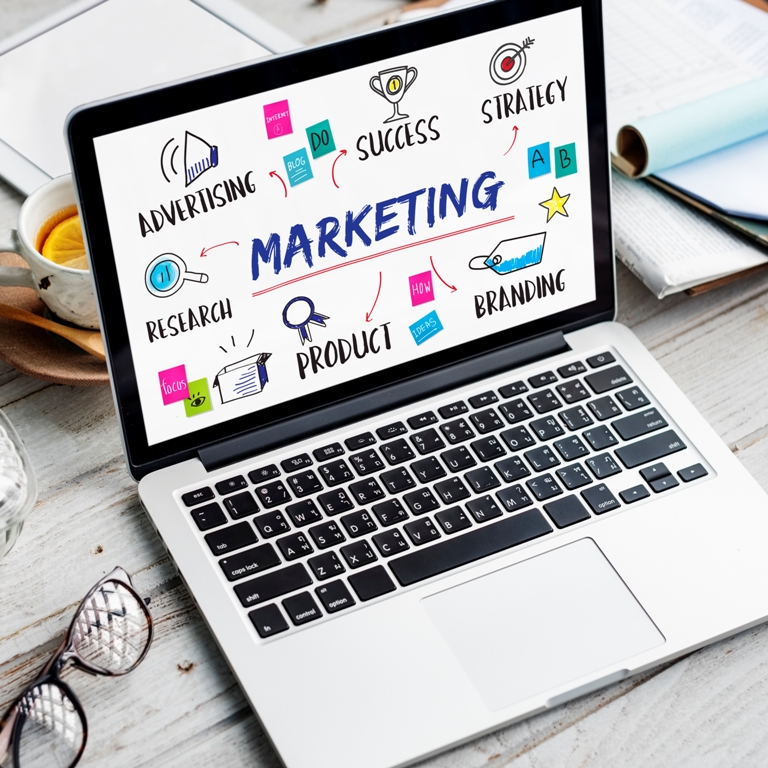
Many growing businesses treat performance and brand marketing as either/or. This is where growth stalls.
Performance marketing without brand:
- Higher acquisition costs
- Lower conversion rates
- Weak differentiation
- Short-term wins, long-term fatigue
Brand marketing without performance:
- Awareness without action
- Engagement without revenue
- Harder ROI justification
The most successful businesses don’t choose between them, they sequence and integrate them.
What Should Growing Businesses Prioritise First?
The right balance depends on your stage of growth.
Early-Stage Businesses and Startups
If you’re validating your offer or entering the market:
- Prioritise performance marketing to test demand
- Use ads to learn what messaging converts
- Build a minimum viable brand (clear positioning, consistent visuals, credible website)
At this stage, performance provides data. Brand provides legitimacy.
Growth-Stage Businesses
If you’re generating consistent revenue:
- Start investing more in brand marketing
- Refine your positioning and narrative
- Strengthen organic channels like SEO, content, and social
This is where brand starts lowering your performance costs. Ads work better because people recognise and trust you.
Scaling Businesses
If you’re aiming for long-term market leadership:
- Performance and brand should work side by side
- Brand drives demand; performance captures it
- Content, SEO, PR, and paid media operate as one ecosystem
At this stage, growth comes from compounding trust, not just bigger ad budgets.
How Performance and Brand Marketing Work Better Together

When aligned, performance and brand marketing amplify each other:
- Brand-led messaging improves ad CTR and conversion rates
- Performance data informs brand storytelling
- SEO and content reduce dependency on paid channels
- Consistent brand presence increases lifetime value
Instead of asking “Which one should we choose?”, the better question is:
“How do we build a system where performance delivers today and brand compounds tomorrow?”
The Growth Value Approach: Strategy First, Channels Second
At GrowthValue, we don’t start with ads or logos. We start with strategy.
We help growing businesses:
- Define a clear brand position that stands out
- Build websites that convert trust into action
- Use performance marketing to test, learn, and scale
- Invest in brand assets that reduce long-term acquisition costs
Performance marketing fuels short-term growth. Brand marketing builds long-term resilience. Together, they create a growth engine that’s both measurable and meaningful.
Final Thought: Sustainable Growth Isn’t About Speed Alone
Chasing performance without brand leads to burnout. Building brand without performance leads to stagnation. Sustainable growth lives in the middle, where data meets storytelling and short-term results support long-term vision.
Growing businesses don’t need to choose sides. They need a smarter strategy.
If you’re ready to align performance and brand marketing into a single growth system, GrowthValue is here to help. Let’s build a brand that converts today and compounds tomorrow.

